ICBioMed 2025
Symposium Series
Faculty of Medical and Health Sciences and Bioengineering Institute, University of Auckland
Symposium Chair: Dr. Alan Wang, Associate Professor in University of Auckland
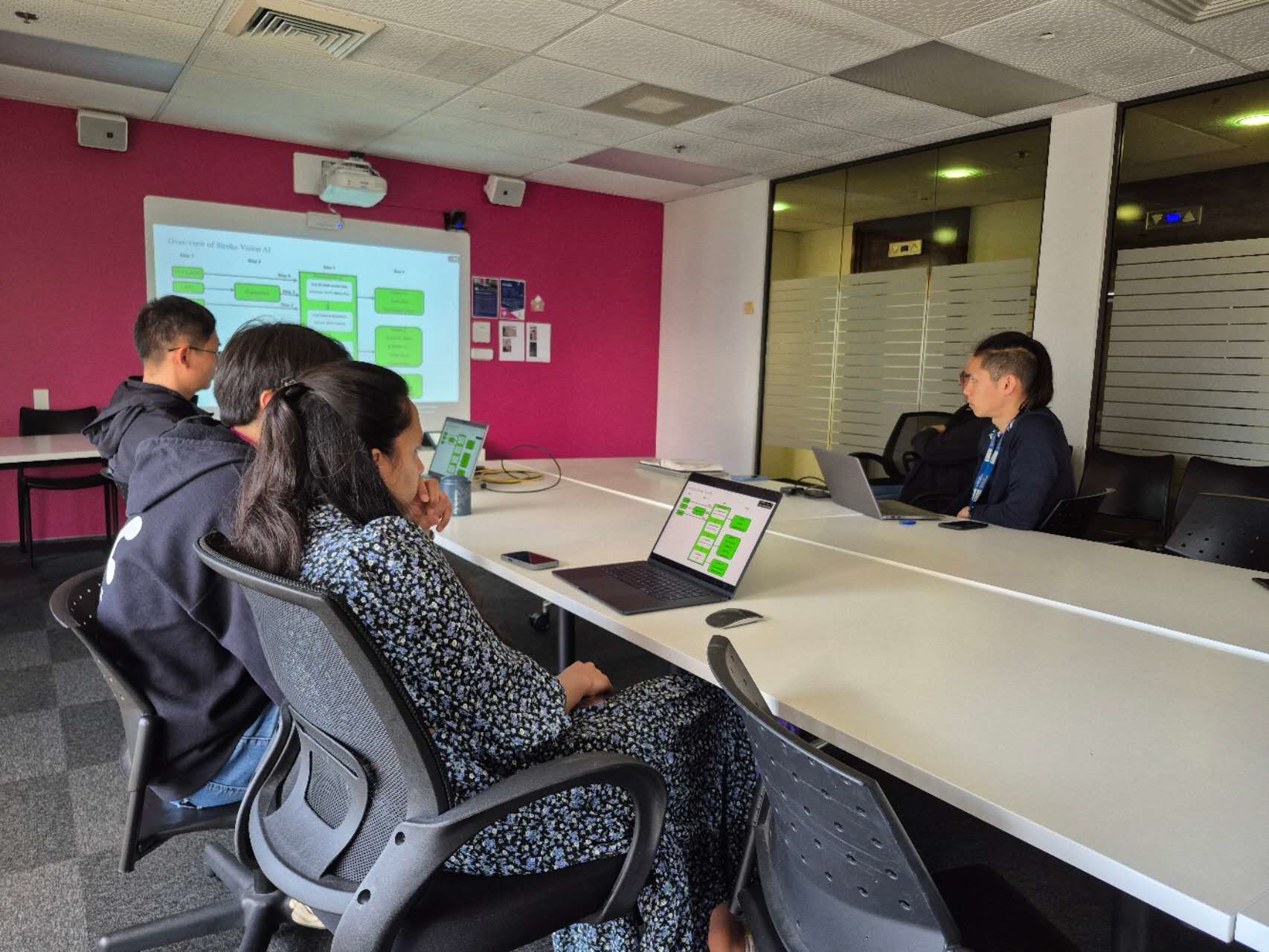
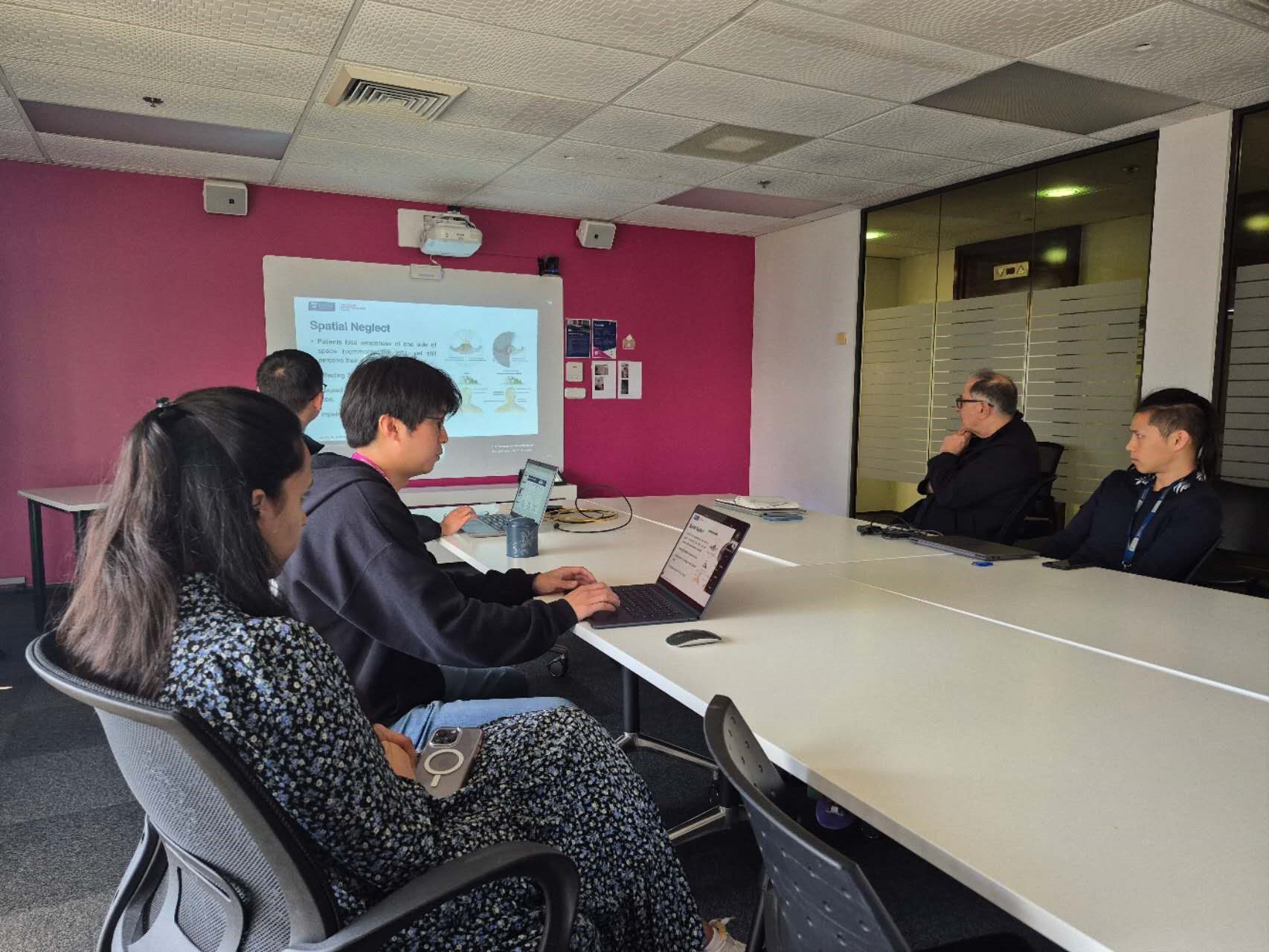
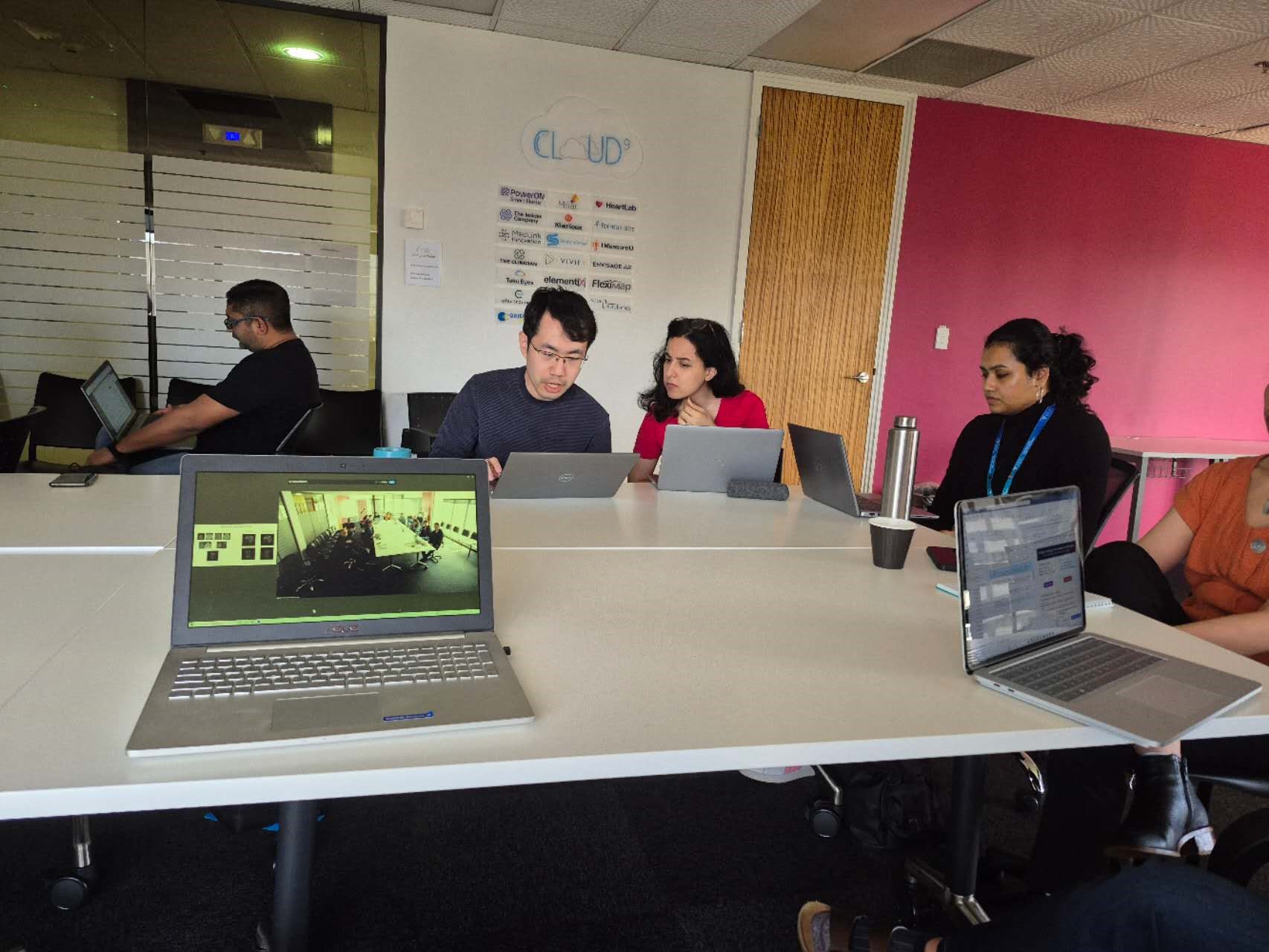
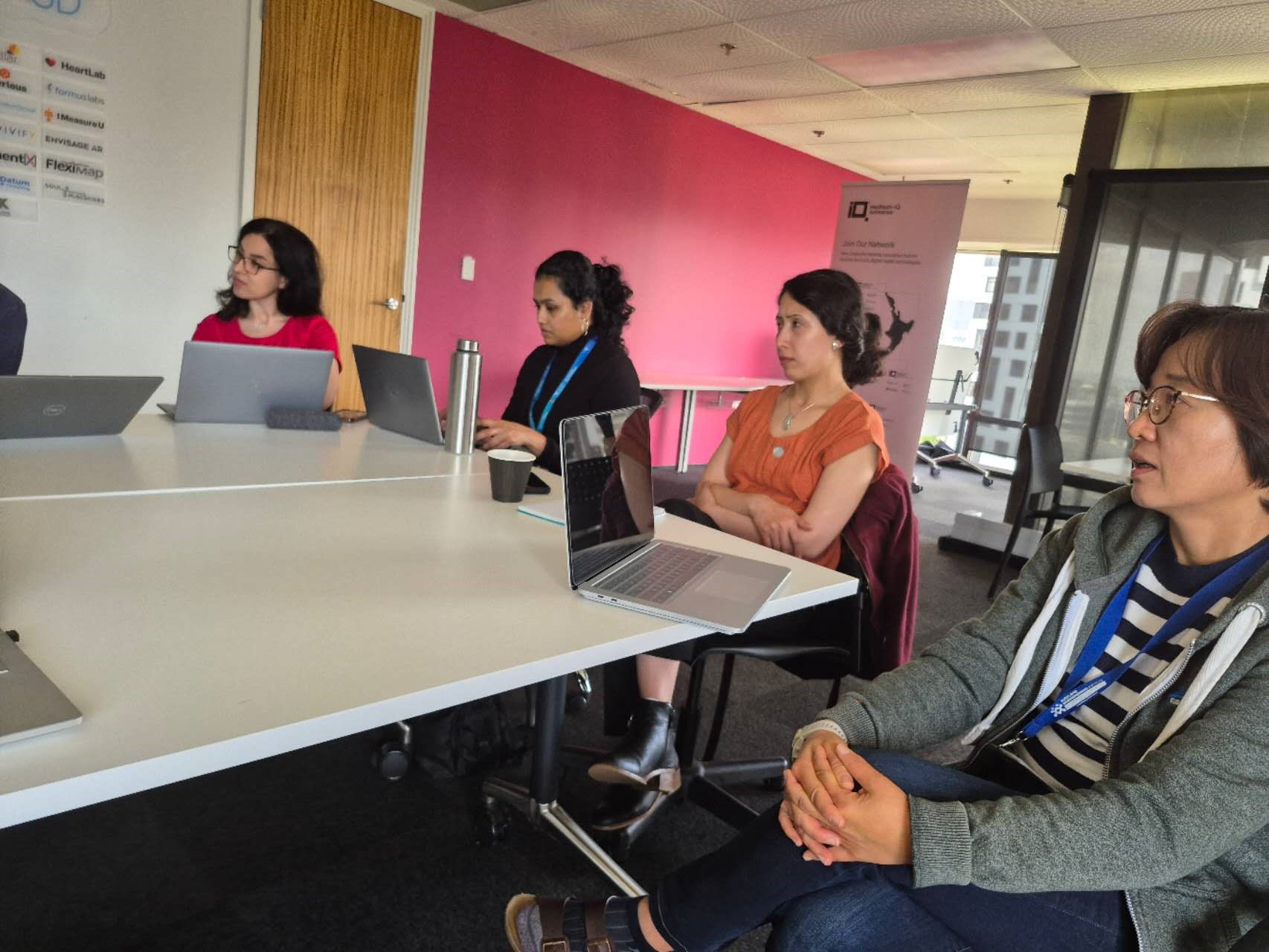
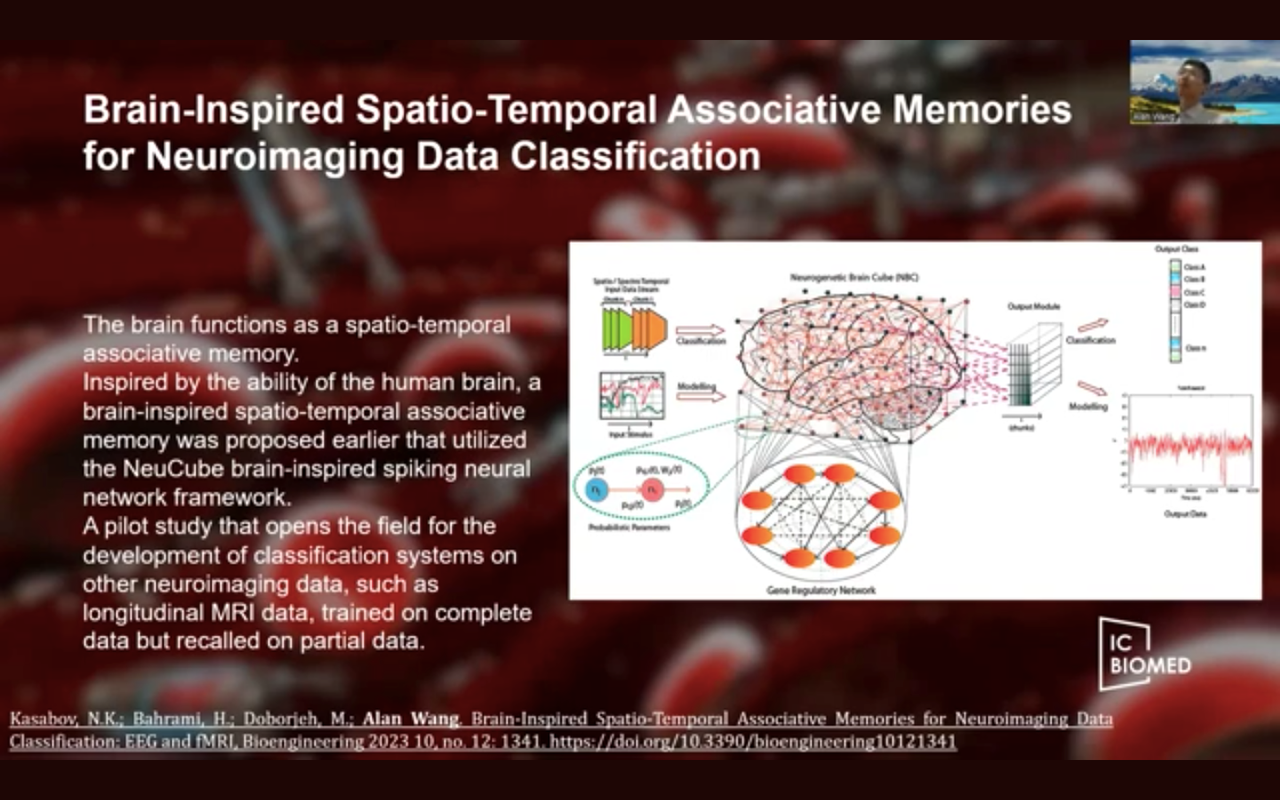
The AI for Healthcare: Advanced Medical Data Analytics and Smart Rehabilitation symposium was held on 17 October 2025 at the University of Auckland’s Grafton Campus as part of ICBioMed 2025. The event brought together an interdisciplinary community of researchers, clinicians, and students to discuss the latest advances in AI-driven healthcare technologies. The symposium showcased research spanning multimodal neuroimaging, AI-enhanced rehabilitation, and intelligent medical data analytics. Presentations explored deep learning and spiking neural network models for neurological disorder detection, multimodal integration for Alzheimer’s disease analysis, AR-based tools for spatial neglect rehabilitation, and AI-enabled imaging pipelines for stroke outcome prediction and brain tumor segmentation.
A central theme was the convergence of biomedical data processing, precision medicine, and smart rehabilitation—highlighting the importance of interpretable, scalable, and clinically translatable AI models. Discussions also addressed challenges such as data harmonisation, ethical considerations in AI deployment, and pathways for real-world clinical adoption. The symposium concluded with an open forum emphasising collaboration opportunities and the creation of shared datasets for reproducible research. Overall, the symposium provided an inspiring platform to exchange ideas, foster new partnerships in AI-driven biomedical innovation.
University of Surrey (UK)
Symposium Chair: Dr. Roman Bauer, Associate Professor in University of Surrey
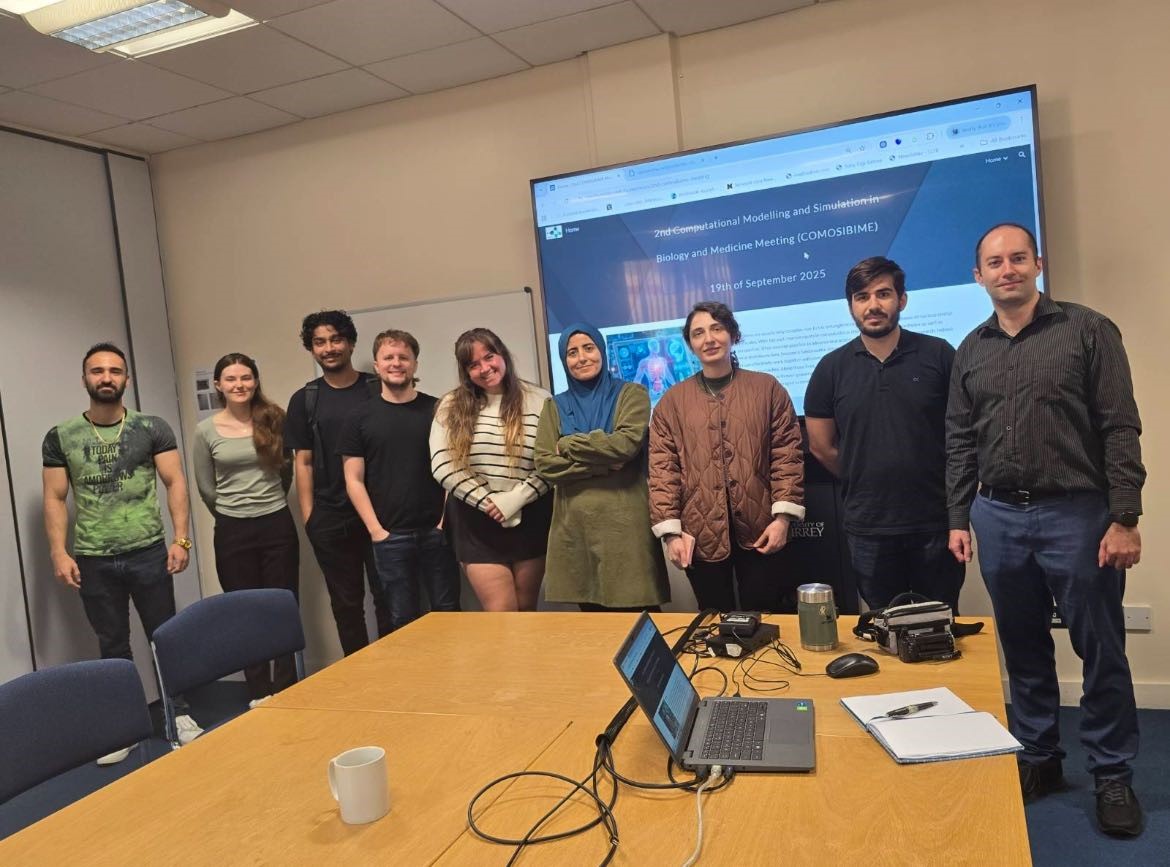
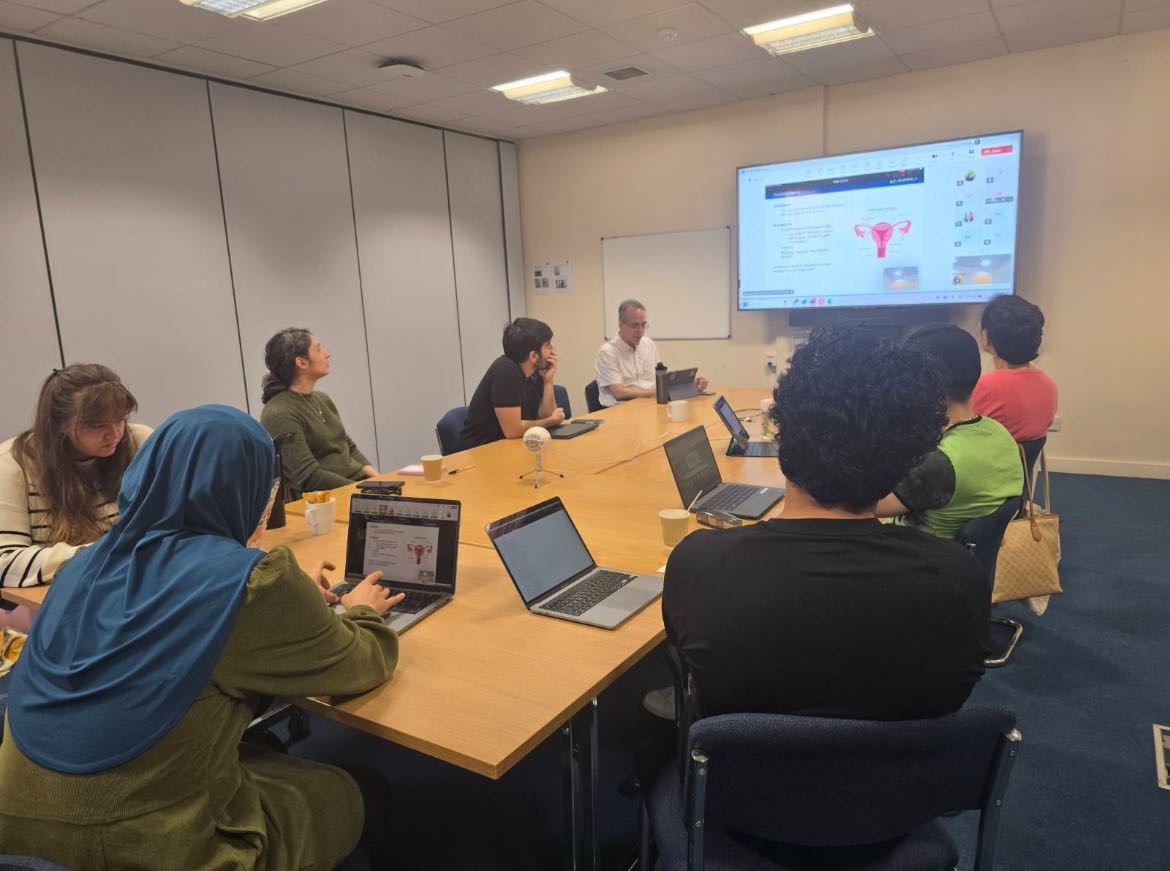
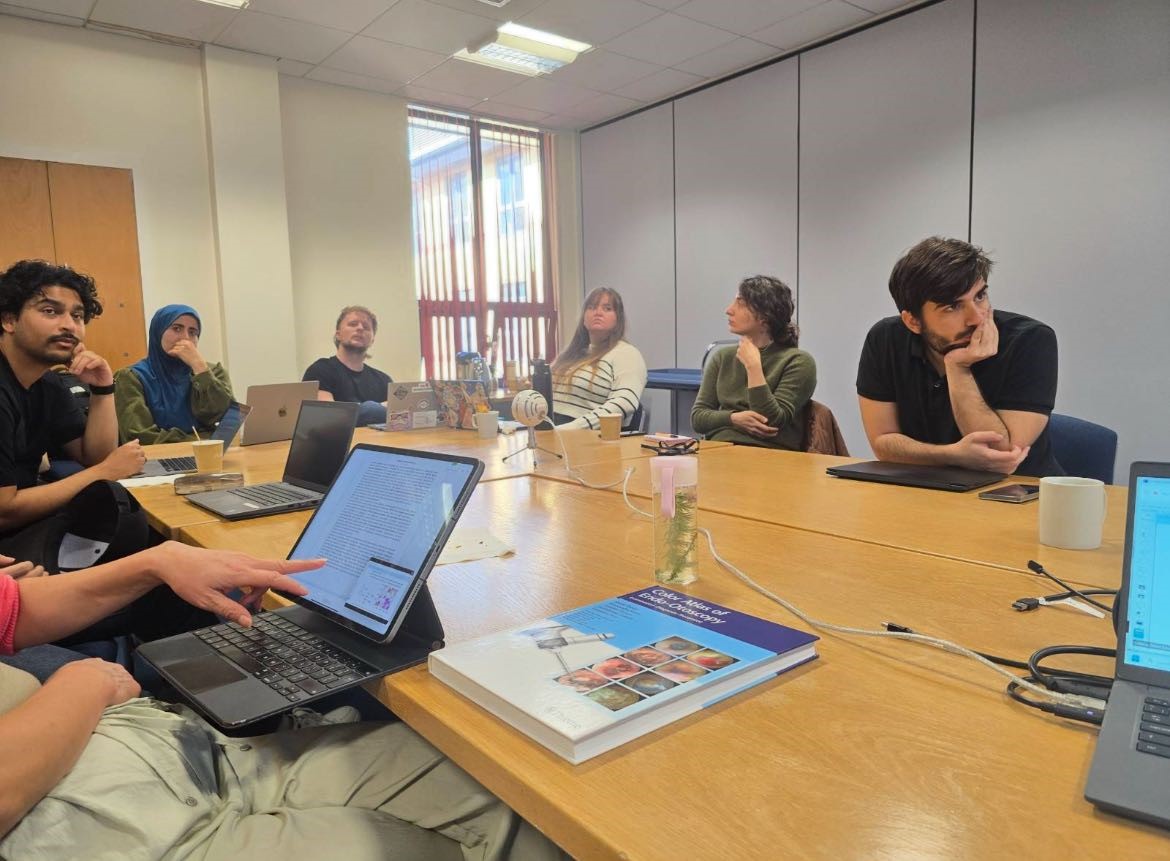
On September 19th 2025 the symposium "Computational Modelling and Simulation in Biology and Medicine" was held in Guildford at the University of Surrey (UK). The symposium was hosted by the COMBYNE lab (www.combynelab.com) and held as a hybrid meeting, to facilitate involvement of participants from many different countries and institutions. This international symposium comprised a selection of presentations and interactive talks on Computational Biomedicine topics from leading academics, well-established domain experts and also PhD students who embark on a research career. Over 30 participants were present, mostly academics and PhD students from institutions such as the University of Surrey, University of Cyprus, Sony CSL, commercial entities and others. Members of the international BioDynaMo collaboration (www.biodynamo.org) also contributed to the symposium.
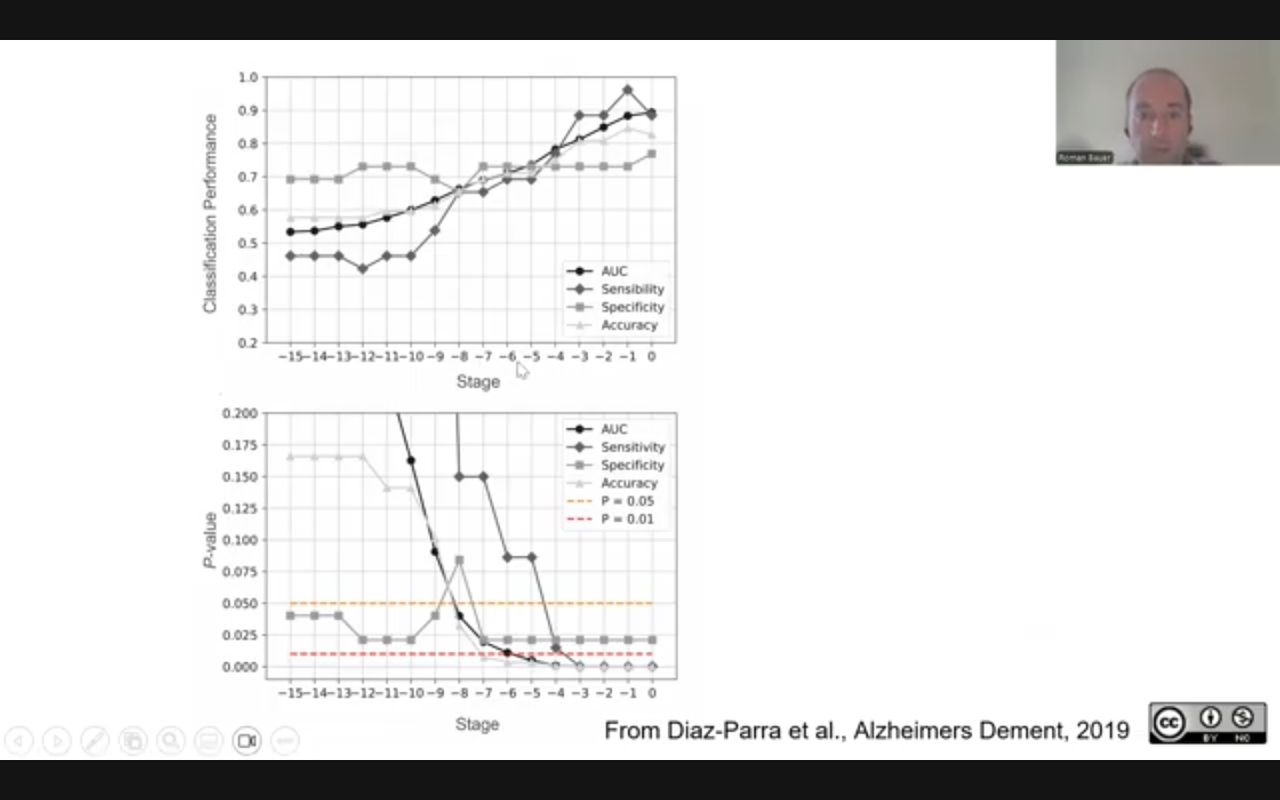
The symposium started off with an introductory talk on research on simulations of lung fibrosis modelling when induced by radiotherapy. Subsequent talks touched on many of the challenges and prospects of computational modelling in biomedicine, including neuroscientific ones. The audience actively engaged with the presenters and brought up important issues such as the challenges of reproducing cancer progression variability, or practical questions with regards to multi-modal neuroscientific data. Example talks focussed on topics comprising various complex systems and their dynamics, such as for instance the growth of inter-areal connections of the human brain. More information on the symposium including a programme can be found here: https://www.combynelab.com/home/news/2nd-comosibime-meeting
School of Pharmaceutical Sciences, Shanghai Jiao Tong University
Symposium Chair: Dr. Xiangdong Xue, Associate Professor in Shanghai Jiao Tong University
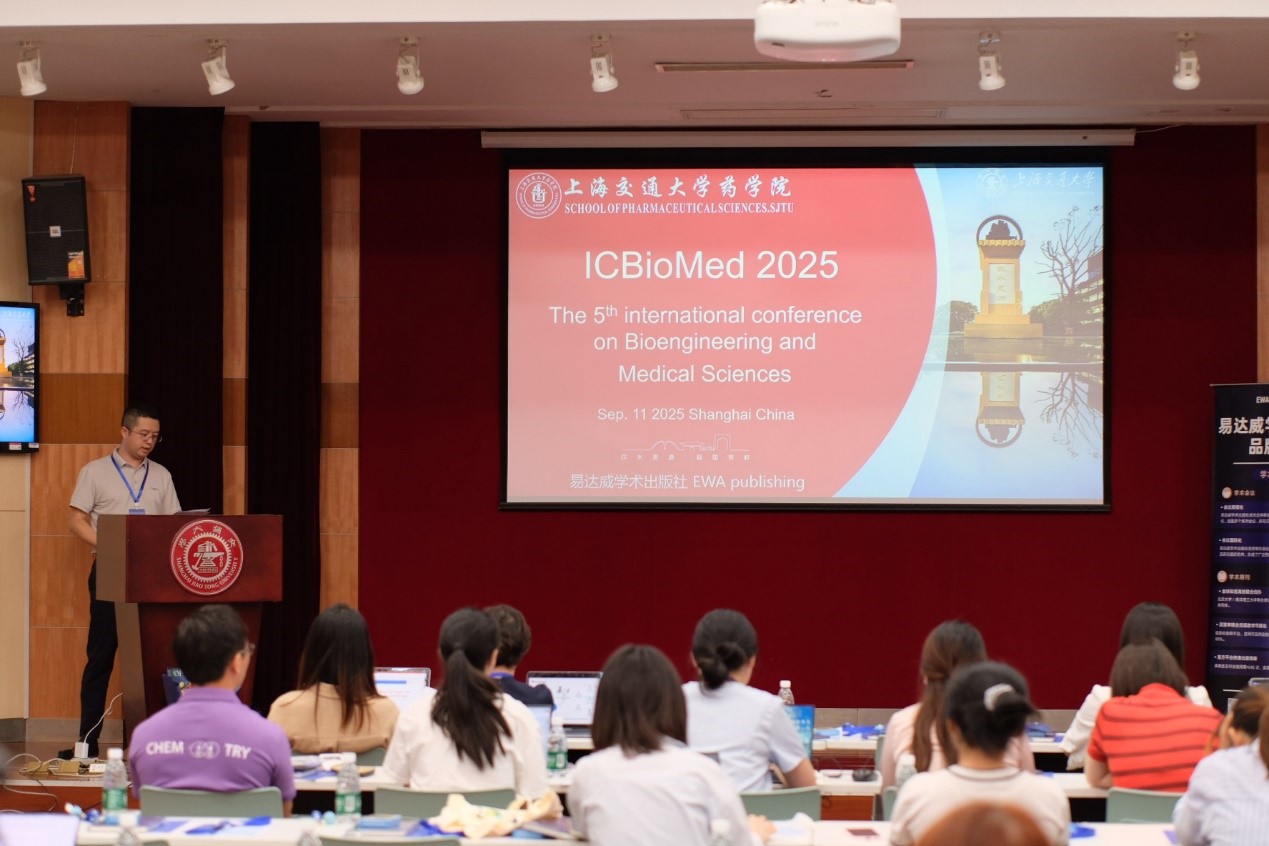
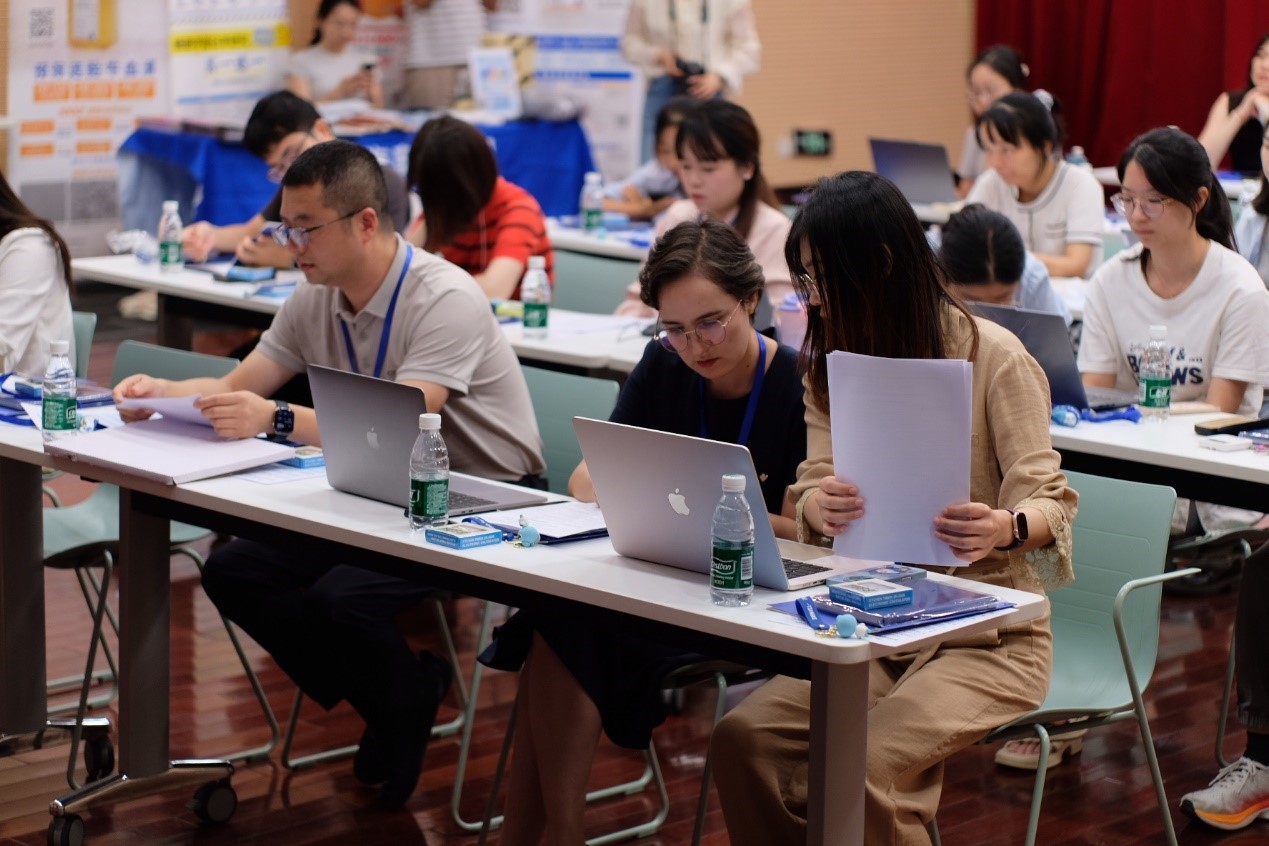
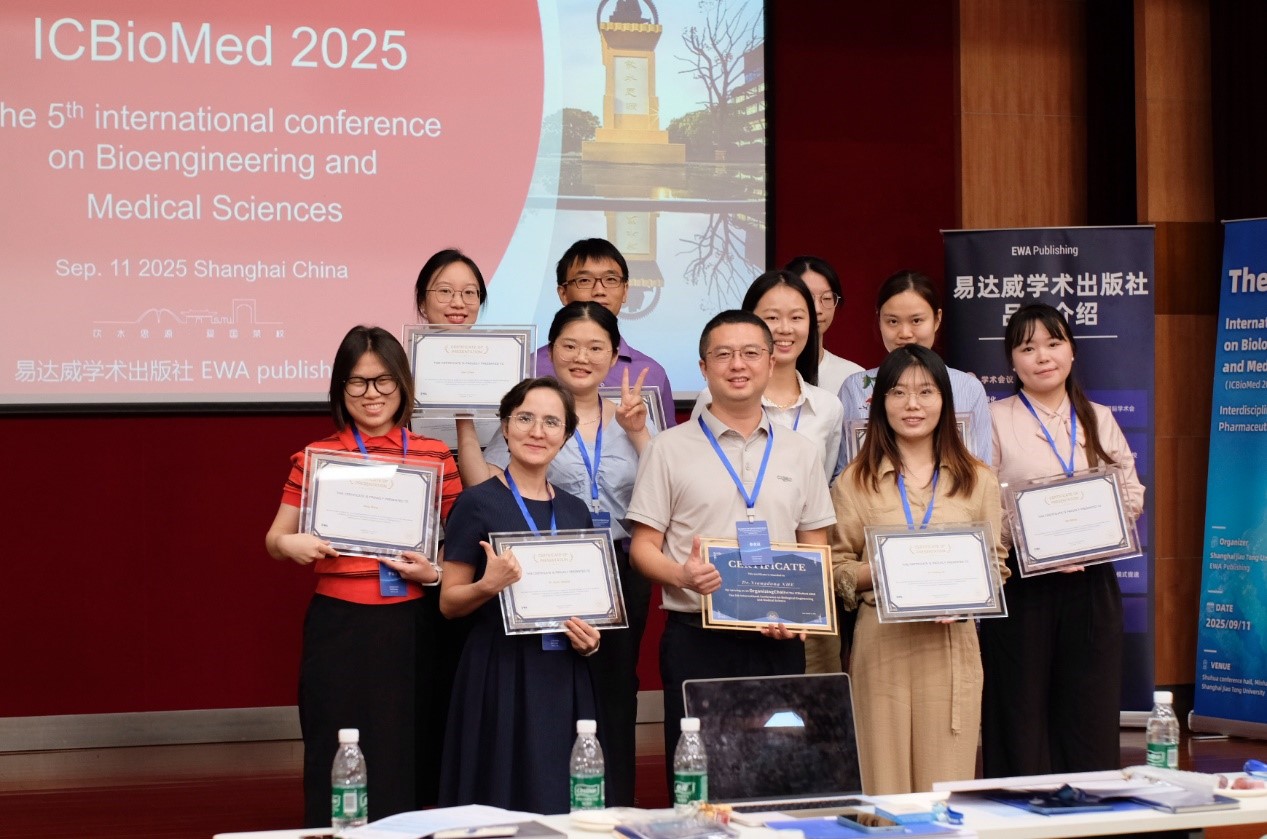
On September 11, 2025, the symposium “Interdisciplinary Frontiers in Pharmaceutical Sciences” was successfully held at the Shuhua Conference Hall, Minhang Campus of Shanghai Jiao Tong University. The event gathered scholars and researchers from multiple institutions to explore the latest progress at the intersection of biological engineering and medical science. In his opening remarks, Professor Xiangdong Xue, Chair of the symposium, emphasized that pharmaceutical sciences are rapidly evolving by integrating advances in chemistry, biology, materials science, and clinical research. From targeted nanomedicines and immunotherapies to AI-driven drug discovery and personalized medicine, the field is tackling complex health challenges such as cancer, inflammation, and neurodegenerative diseases.
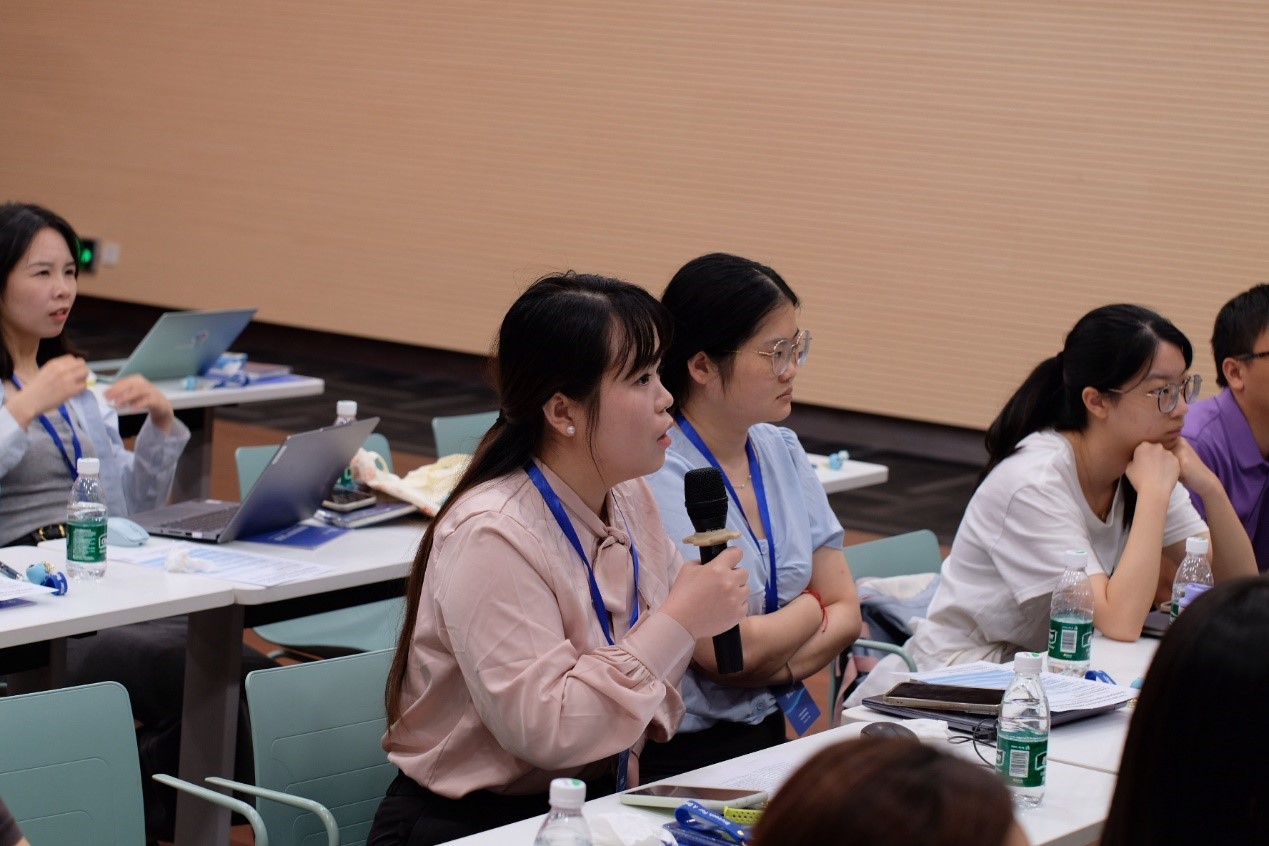
The symposium featured 11 presentations covering diverse topics, including organoid construction, tumor immunotherapy, dry eye disease management, sepsis immunoregulation, targeted drug delivery systems, and exosome engineering. The Q&A sessions encouraged active participation, particularly from young scholars, who engaged in dynamic discussions on issues such as treatment timing and drug design strategies.
In his closing remarks, Professor Xue highlighted that the innovative work presented reflected the deep integration of pharmaceutical sciences with biological engineering, materials science, and nanotechnology, providing valuable insights and inspiration for advancing interdisciplinary collaboration.
Faculty of Education, Languages, Psychology and Music, SEGi University
Symposium Chair: Dr. Sheiladevi Sukumaran, Associate Professor in SEGi University
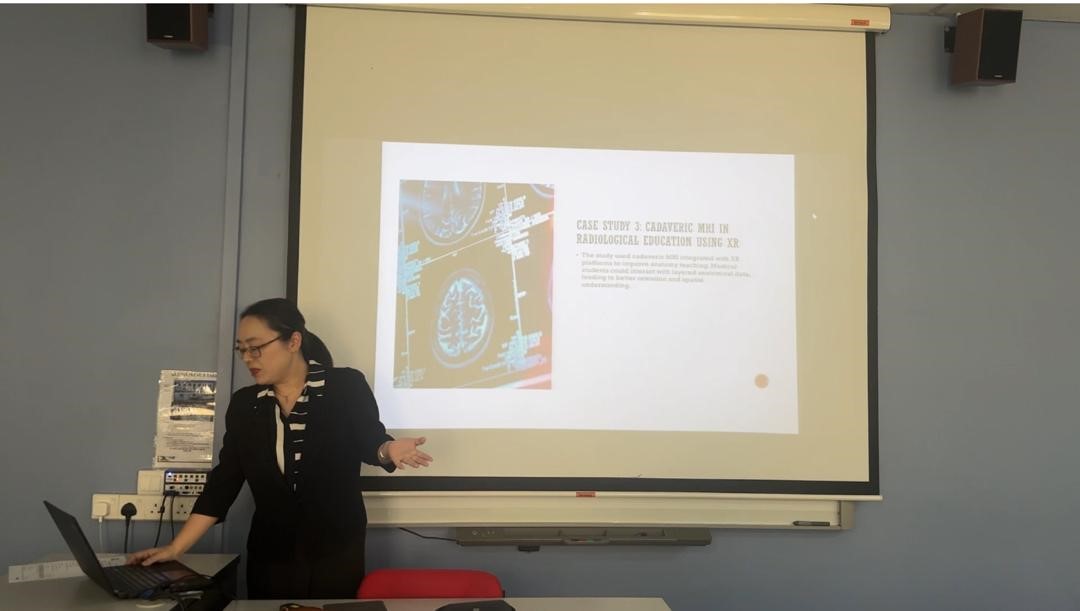
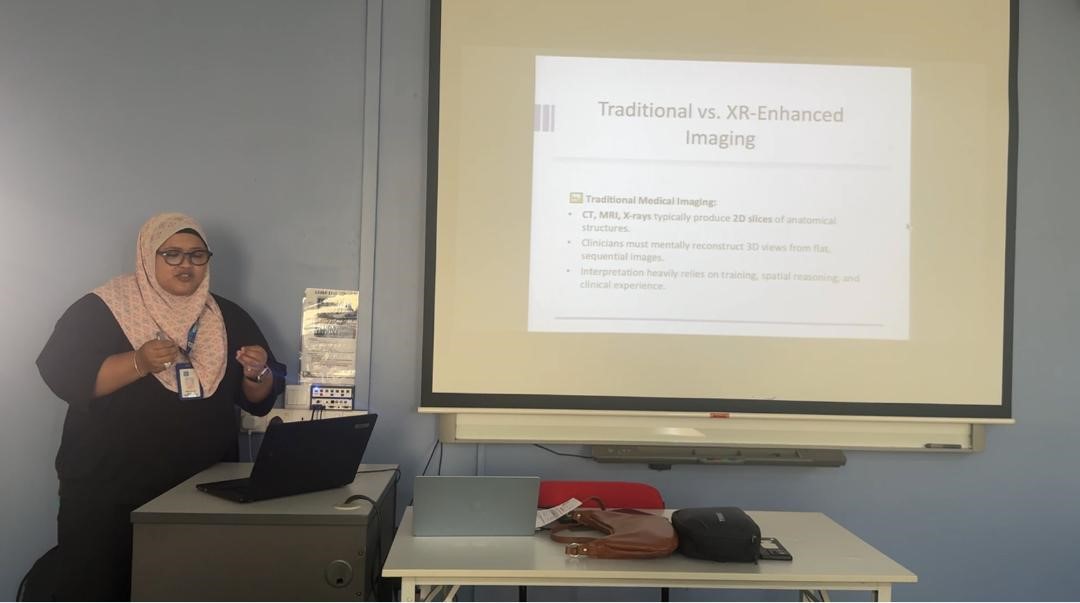
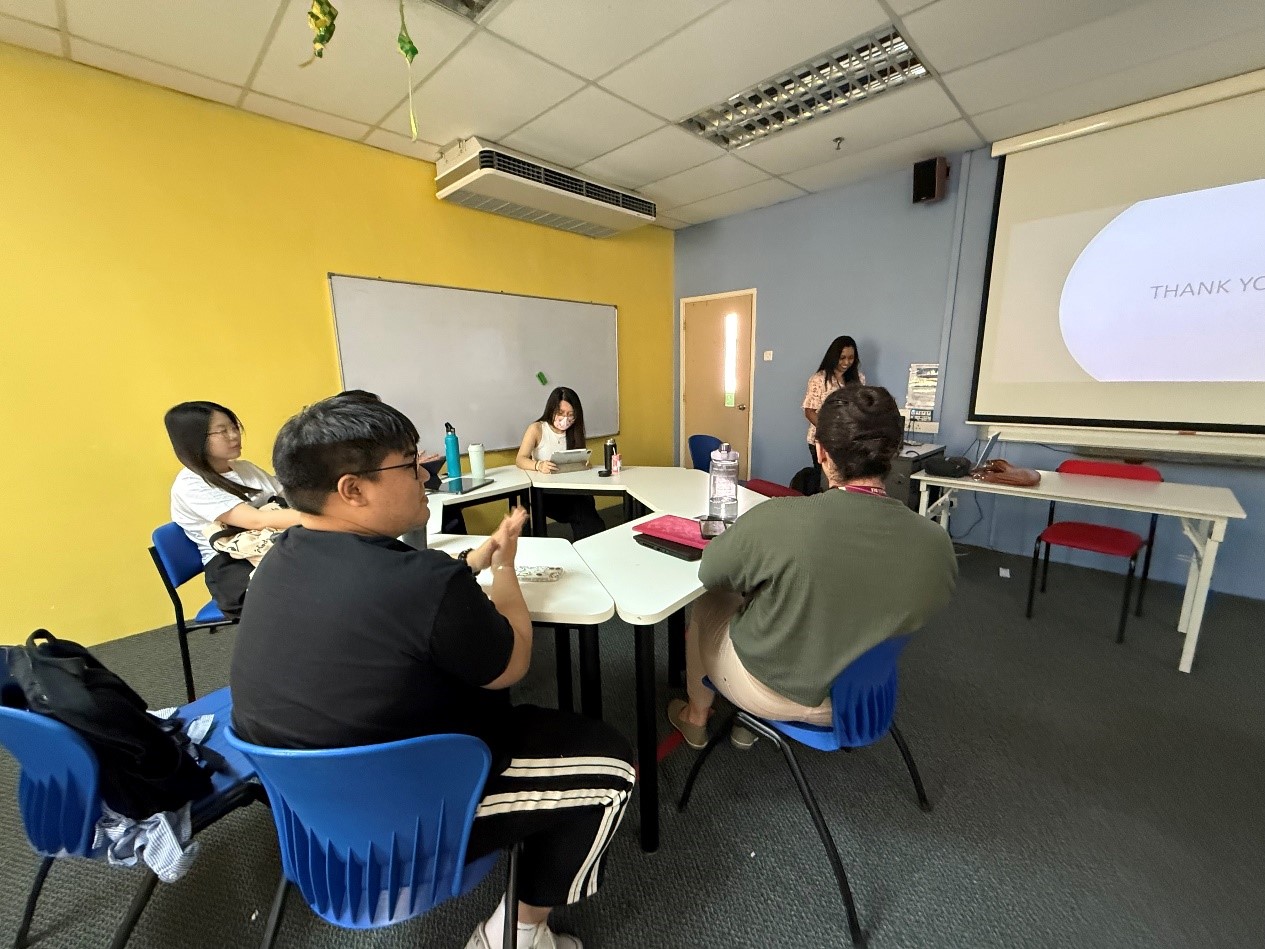
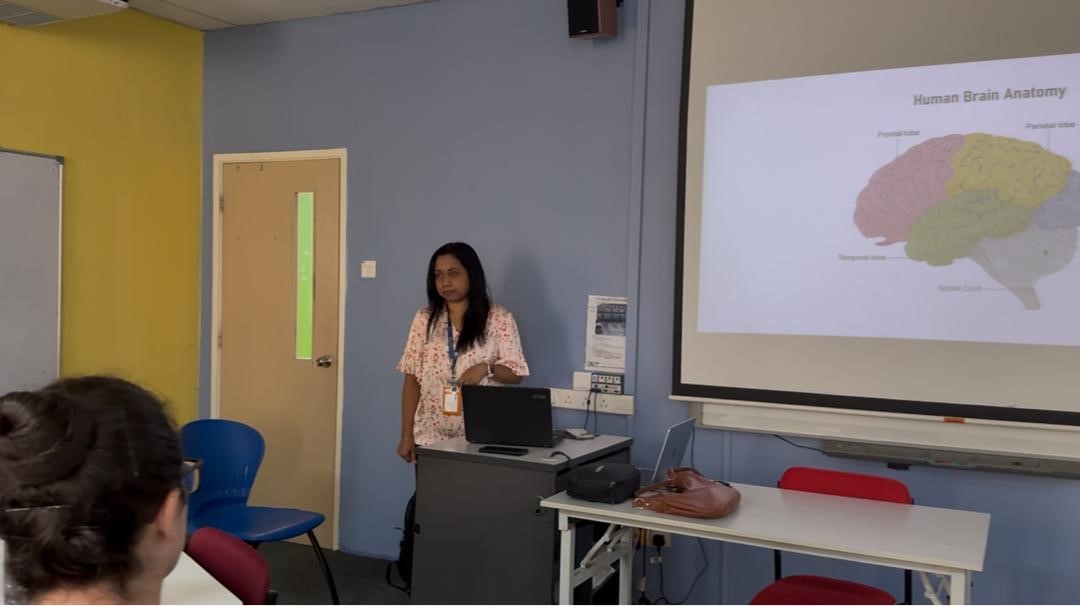
The symposium on "Extended Reality (XR) in Medical Imaging" at ICBioMed 2025 provided an insightful exploration into how Virtual Reality (VR) and Augmented Reality (AR) are revolutionizing the medical field. The session, attended by approximately 17 participants, highlighted XR's profound applications in visualizing patient anatomy, planning complex surgeries, and educating future healthcare leaders.
The symposium began with an introduction to XR as an umbrella term encompassing technologies that merge physical and virtual worlds. VR, by creating entirely new digital environments, offers full immersion, while AR overlays digital information onto the real world, enhancing perception without replacing it. The distinction between these two technologies was emphasized, underscoring their unique roles in healthcare.
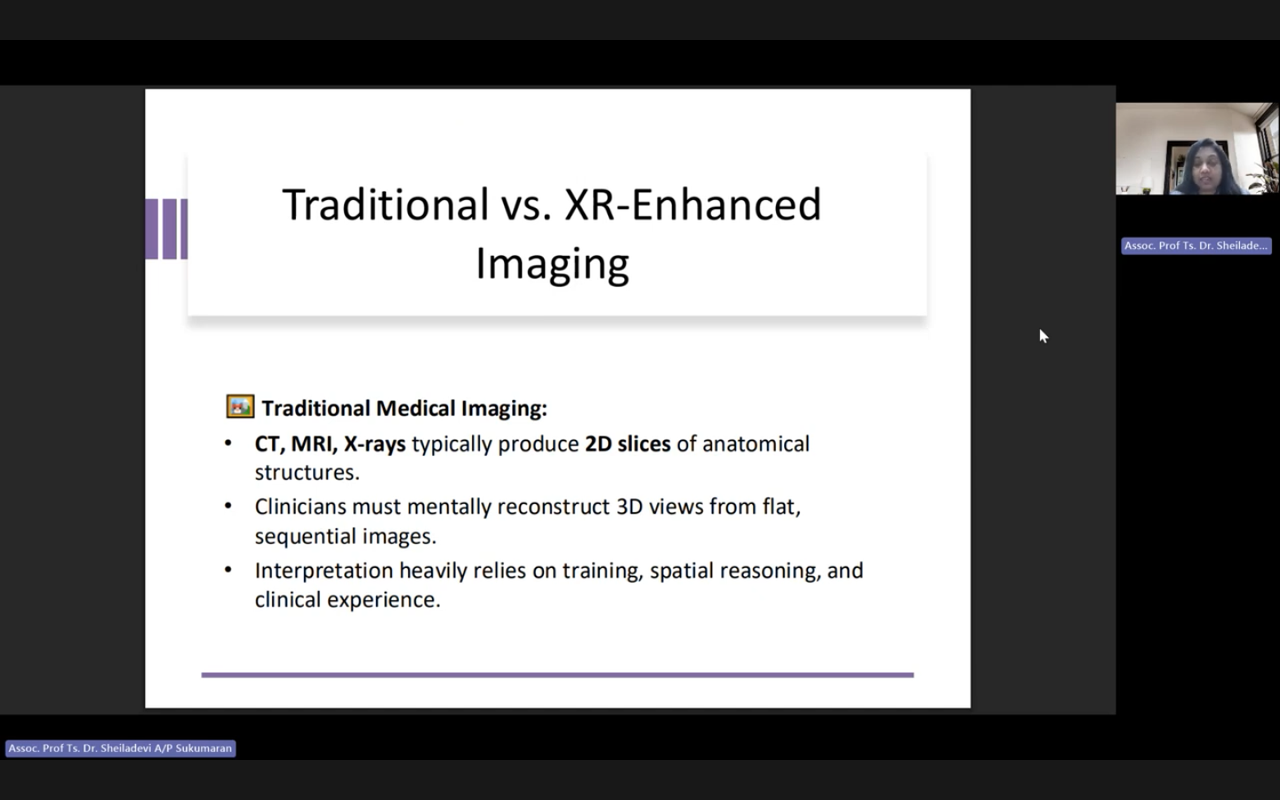
A key focus was the revolutionary impact of XR on medical imaging. Historically, clinicians have relied on 2D scans (CT, MRI) requiring complex mental 3D reconstruction, leading to limitations in depth perception, increased potential for human error, and difficulty in explaining findings to patients. XR shatters these limitations by enabling interactive 3D visualization of patient anatomy, transforming flat slices into manipulable 3D models. This allows for more precise diagnostics, improved image-guided interventions, and enhanced understanding of complex structures, significantly improving clinical decision-making.
The symposium also profound impact of XR on surgical planning. Surgeons can now conduct preoperative visualizations using a 3D digital twin of a patient's anatomy, enabling virtual walkthroughs of surgical paths, anticipating challenges, and precisely localizing critical structures to be avoided. Furthermore, surgical simulations with haptic feedback gloves allow surgeons to practice procedures, refine incision points, and determine optimal tool paths, thereby reducing intraoperative surprises and leading to safer surgeries, better patient outcomes, and more efficient use of operating room time.
In conclusion, the symposium underscored that XR is more than just new technology; it is fundamentally reshaping medical imaging, bridging the gap between technology and clinical practice. It enhances accuracy, interactivity, and the understanding of human anatomy. XR is empowering the next generation of medical professionals by transforming how students learn, how radiologists diagnose, and how surgeons operate, ultimately creating a more personalized and patient-centered approach to healthcare. Attendees were urged to embrace these transformative tools as the future of medicine becomes increasingly immersive.
Online Session
Highlights




Videos
You can find the Youtube Playlist Here.
Publications
Conference Proceedings
Accepted papers of ICBioMed 2025 were published in Theoretical and Natural Science (TNS) (Print ISSN 2753-8818), and were submitted to Conference Proceedings Citation Index (CPCI), Crossref, CNKI, Portico, Engineering Village (Inspec), Google Scholar, and other databases for indexing. The situation may be affected by factors among databases like processing time, workflow, policy, etc.
Title: Theoretical and Natural Science (TNS)
Press: EWA Publishing, United Kingdom
ISSN: 2753-8818, 2753-8826 (electronic)